
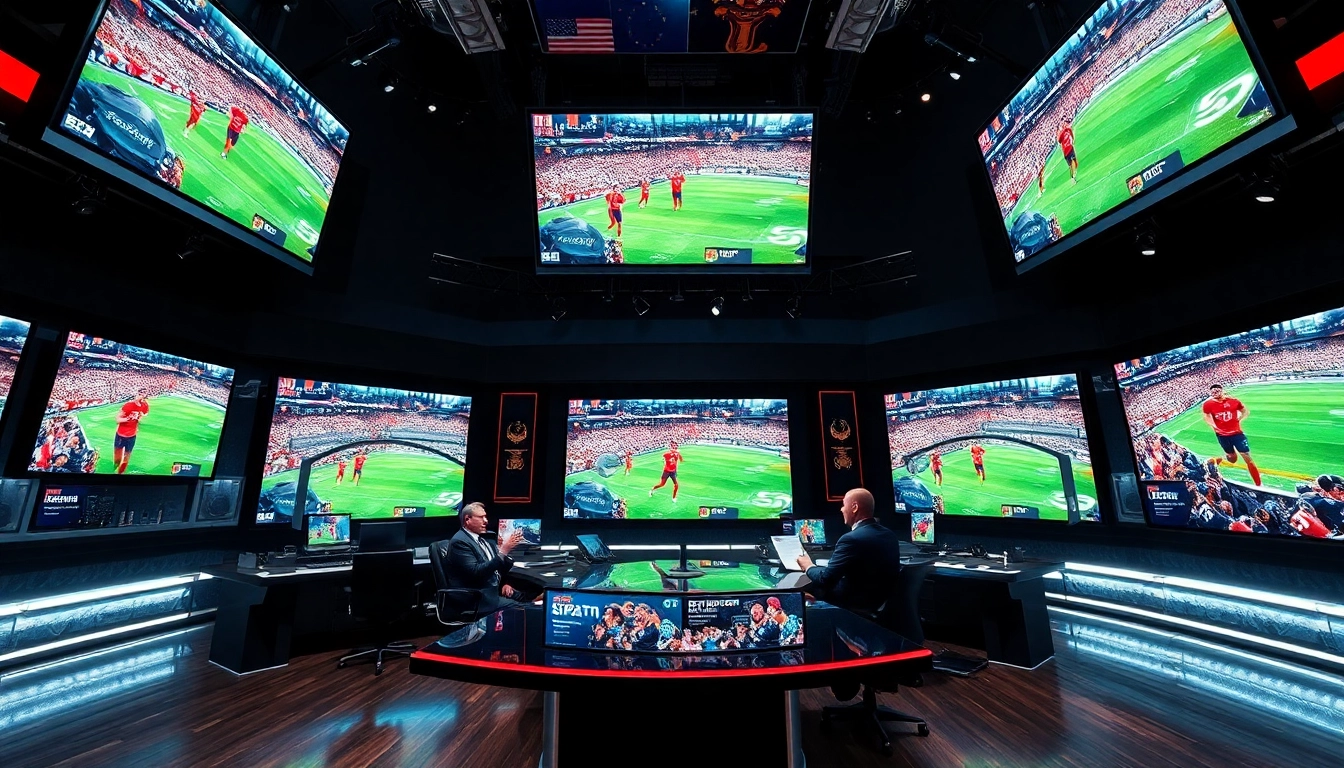
Understanding the Basics of Sports Broadcasting
What is Sports Broadcasting?
Sports Broadcasting is a medium that delivers real-time sports events to audiences through various channels, including television, radio, and digital platforms. It offers lively coverage of games, scores, analysis, and insider information that enhance the viewing experience. The essence of Sports Broadcasting is to engage viewers, promote sporting events, and create a narrative that captures the excitement of athletic competition. It transforms a local event into a global spectacle, enabling fans to connect with their favorite teams and athletes regardless of geographical boundaries. Understanding the fundamentals of Sports Broadcasting is crucial for anyone interested in the sports industry.
The Evolution of Sports Broadcasting
From its inception in the early 20th century, Sports Broadcasting has undergone dramatic transformations. The first major leap was the advent of radio broadcasts in the 1920s, which brought live sports commentary to households. This was followed by the emergence of television in the 1950s, revolutionizing how sports were consumed by introducing visuals alongside commentary.
It further evolved with cable television, allowing for dedicated sports channels that offered extensive coverage and analyses. In recent years, digital transformation brought about streaming services, allowing fans to watch events on-demand or live on multiple devices. Each stage of this progression highlights the growing demand for immersive and accessible sports content, shaping how broadcasters operate and engage with audiences.
Key Components of Sports Broadcasting
Several key components contribute to successful Sports Broadcasting:
- Commentary: The voice that narrates the game, providing context, excitement, and analysis.
- Camera Work: Strategic angles and shots that capture the action effectively and help engage viewers.
- Graphics and Stats: Visual enhancements that provide instant information and context to the viewers.
- Interviews: Post-game or pre-game interviews with players and coaches that provide insights into their strategies and emotions.
- Advertising: Integration of advertisements, which is essential for monetizing broadcasts and maintaining the network's profitability.
The Role of Technology in Sports Broadcasting
Live Streaming Innovations
Technology has fundamentally reshaped the landscape of Sports Broadcasting with live streaming innovations. The rise of high-speed internet and advanced broadcasting equipment has made it possible for fans to watch sports live online from anywhere in the world. Platforms like social media networks and dedicated streaming services have become pivotal in providing live sports content.
Moreover, innovations such as 4K resolution, 360-degree video, and augmented reality are enhancing the viewer experience, allowing fans to immerse themselves in the event as if they were there in person. Real-time updates and multi-camera views provide fans with a unique way to experience the game, catering to their preferences.
Enhancing Viewer Experience with Graphics
Graphics play a significant role in Sports Broadcasting by providing useful information that enhances the viewer experience. This includes score updates, player statistics, timelines, and instant replay options. Graphics can illustrate complex plays and strategies, making them comprehensible for casual fans and engaging for die-hard enthusiasts.
Furthermore, graphics also aid in storytelling, with animations that highlight key moments and player performance metrics, adding layers of depth to the broadcast. Properly integrated graphics can sustain viewer interest, enhance engagement, and foster a deeper connection to the game.
Data Analytics in Sports Broadcasting
Data analytics is revolutionizing how sports are broadcasted, allowing for richer commentary and insights. Today, broadcasters analyze player movements, strategies, and team dynamics in real time, providing deeper analytical content to the audience. Data such as player efficiency ratings, heat maps, and historical performance can be utilized to enrich discussions and inform the audience more effectively.
Moreover, studios can process large sets of data to predict game outcomes, enhance pre- and post-game analyses, and deliver fan-centric programming. As technology advances, the incorporation of data analytics will continue to evolve, making broadcasts even more informative and engaging.
Content Creation Strategies for Sports Broadcasting
Crafting Compelling Narratives
Compelling narratives are foundational to successful Sports Broadcasting. For broadcasters, weaving storytelling into play-by-play analysis creates a deeper emotional connection with the audience. Narratives can include team rivalries, individual player journeys, or historical significance, providing context that elevates the viewing experience.
Utilizing techniques such as foreshadowing key moments, reconnecting with storied pasts, and using emotional storytelling can captivate viewers. The goal is not just to narrate the event but to create an engaging experience that keeps fans glued to their screens.
Engaging Live Commentary Techniques
Engaging live commentary requires a blend of expertise, excitement, and relatability. It is essential for commentators to be knowledgeable about the sport, teams, and players while also being able to convey that information in an engaging manner. Key techniques include maintaining energy, using humor when appropriate, and fostering an interactive dialogue with viewers through social media integration.
Moreover, layering on insights and anecdotes during the broadcast can enhance the richness of the commentary, allowing audiences to feel more connected to the story being told. The best broadcasters know not just about game mechanics but also how to entertain and keep attention.
Utilizing Social Media for Audience Interaction
Social media serves as a powerful tool for fostering audience interaction in Sports Broadcasting. Platforms like Twitter, Facebook, and Instagram enable broadcasters to engage with fans, share real-time updates, and provide behind-the-scenes content. This interaction enhances the audience experience by allowing fans to voice their opinions, share content, and feel part of a larger community.
Utilization of these platforms benefits broadcasters by providing instant feedback and facilitating discussions, thus shaping future content direction. By embracing audience engagement on social media, Sports Broadcasting gains an additional layer of depth and a more personalized reach.
Challenges in Sports Broadcasting
Adapting to Changing Viewer Preferences
The landscape of viewer preferences is continuously evolving, presenting challenges within Sports Broadcasting. Audiences today are more selective about what they watch and how they consume content. Traditional broadcasting models that relied solely on television viewership are declining as more fans turn to streaming platforms and mobile devices.
To adapt, broadcasters must embrace innovative content formats, developing short clips, highlights, and social media snippets that cater to younger audiences seeking quick and accessible information. Leveraging data analytics to understand viewer habits is essential for meeting these changing demands effectively.
Handling Technical Difficulties
Technical difficulties can arise unexpectedly during live broadcasts, posing significant challenges. Issues such as equipment malfunctions, connectivity problems, and streaming lags can disrupt the viewer experience and lead to viewer dissatisfaction.
Preparations should include having backup systems in place, thorough testing of equipment prior to broadcasts, and training staff to respond quickly to technical issues. A quick, efficient response can minimize disruption and maintain audience trust and engagement.
Competition from Other Media
With the rise of digital content, Sports Broadcasting faces fierce competition from various forms of media, including social media videos, podcasts, and fan-generated content. Competing against quality online content requires broadcasters to innovate and enhance their offerings.
By focusing on unique angles, in-depth analyses, and expert commentary, broadcasters can differentiate themselves within a crowded marketplace. Collaborating with digital content creators to share insights and expand reach can also help combat competition and improve engagement.
Metrics for Measuring Success in Sports Broadcasting
Understanding Audience Reach
Measuring audience reach is fundamental to assessing the success of Sports Broadcasting. Metrics such as total viewers, unique visitors, and demographic data offer insight into the audience profile. Understanding who watches, when, and where allows broadcasters to tailor content strategies more effectively.
Utilizing analytics tools to monitor viewership patterns can help in identifying trends and improvements, ensuring that content remains relevant and engaging to target audiences. This data-driven approach ultimately maximizes reach and fosters growth.
Analyzing Viewer Engagement
Viewer engagement is a crucial metric that reflects how audiences are interacting with broadcasts. Metrics such as time spent watching, social media interactions, and audience feedback provide valuable insights into viewer satisfaction and interest levels. High engagement not only indicates success but is also vital for securing sponsors and advertisers who look for active audiences.
Techniques such as targeted surveys, social media polls, and focus groups can aid in gathering qualitative data about audience preferences, allowing for data-informed decision-making in content creation and delivery.
ROI on Broadcasting Investments
Assessing the return on investment (ROI) from broadcasting endeavors is essential for understanding the sustainability of sports media operations. Metrics might include advertising revenue, subscription rates, and partnership benefits.
Conducting regular analyses of financial performance and viewer statistics helps determine the effectiveness of marketing strategies and broadcast quality. This strategic alignment encourages informed decisions about future investments that can further enhance profitability and viewer satisfaction.
Frequently Asked Questions
What are the primary channels of Sports Broadcasting?
The primary channels of Sports Broadcasting include television, radio, and digital platforms such as streaming services and social media.
How has technology influenced viewer engagement?
Technology has enhanced viewer engagement through innovations like live streaming, interactive graphics, and social media integration, providing real-time interaction.
What metrics should broadcasters focus on?
Broadcasters should focus on metrics like audience reach, viewer engagement, advertising ROI, and demographic analytics to assess performance.
How can broadcasters adapt to changing viewer preferences?
Broadcasters can adapt by offering diverse content formats, embracing digital channels, and utilizing audience analytics to meet evolving demands.
What challenges does live broadcasting face?
Live broadcasting can face challenges such as technical difficulties, competition from digital media, and keeping up with changing viewer preferences.